
What does an General Practitioner do?
GP Doctors are trained to diagnose and treat a wide range of medical conditions and illnesses, manage chronic diseases, and provide preventive care. Let’s dive into more details about the role and responsibilities of a GP.
Health Interventions
A general practitioner provides holistic care covering physical, emotional and social health. They are often the first point of contact for patients seeking medical attention and play a crucial role in the health system by providing continuous, coordinated care. They treat acute and chronic diseases and focus on preventive measures to maintain overall health and well-being.
Wellness Evaluations
Preventive care is an important part of a general practitioner’s role. This includes regular health checks, screening tests, vaccinations and advice on lifestyle changes to prevent disease. For example, they can advise on diet, exercise, smoking cessation and alcohol consumption to reduce the risk of developing conditions such as heart disease, diabetes and cancer.
Health Advice
General practitioners are crucial in the management of chronic diseases such as hypertension, diabetes, asthma and arthritis. They monitor the patient’s condition, adjust treatment plans as needed and coordinate with specialists if necessary. This continuous management helps prevent complications and improves the quality of life of patients with long-term conditions.
The general practitioner
treats patients in three steps.
Initial Evaluation
First, the general practitioner reviews the patient’s medical history and performs a physical examination. This process is important to gather information about the patient’s general state of health. If necessary, laboratory tests and imaging studies may also be performed for further diagnosis.
Creating a Treatment Plan
In the second step, the general practitioner develops a treatment plan appropriate to the patient’s condition. This may include medications, lifestyle changes and referrals to specialists as needed. The treatment plan is customized according to the patient’s needs and health goals.
Monitoring and Follow-up
Finally, the general practitioner monitors the patient’s response to treatment and makes any necessary adjustments. Through regular follow-up visits, the patient’s condition is assessed and the treatment plan is updated as needed. This process is critical for maintaining the patient’s long-term health and well-being.




Coordinated Care
with a general practitioner
General practitioners often coordinate care with other health professionals, including specialists, nurses and allied health care providers. This coordination ensures that patients receive comprehensive and continuous care, minimizing the risk of fragmented treatment and improving overall health outcomes.
The role of the
general practitioner in society
GPs also play an important role in their communities by promoting public health initiatives, participating in health education programs and addressing local health issues. They are often seen as trusted figures in their communities and can have a profound impact on public health and well-being.
Blog

Chronic Pain Management Through Primary Care
Chronic pain often enters a person’s life unexpectedly and reshapes daily routines in subtle and persistent ways, creating questions that primary care clinics frequently hear during routine visits. Many patients[…]
Read more
Managing Allergies With Your Family Doctor
Have you ever wondered why some mornings begin with clear breathing while others start with itching eyes and persistent sneezing without any obvious change at home? Many people experience this[…]
Read more
The Link Between Nutrition and General Health
Eating habits shape daily health in ways many people overlook, and understanding this connection helps you make realistic changes that support long term wellbeing in a simple and approachable way.[…]
Read more
How to Track Symptoms Before a Doctor’s Visit
Have you ever left a clinic and remembered an important detail on the way home. Maybe a strange sensation that only happens at night, or a side effect you forgot[…]
Read more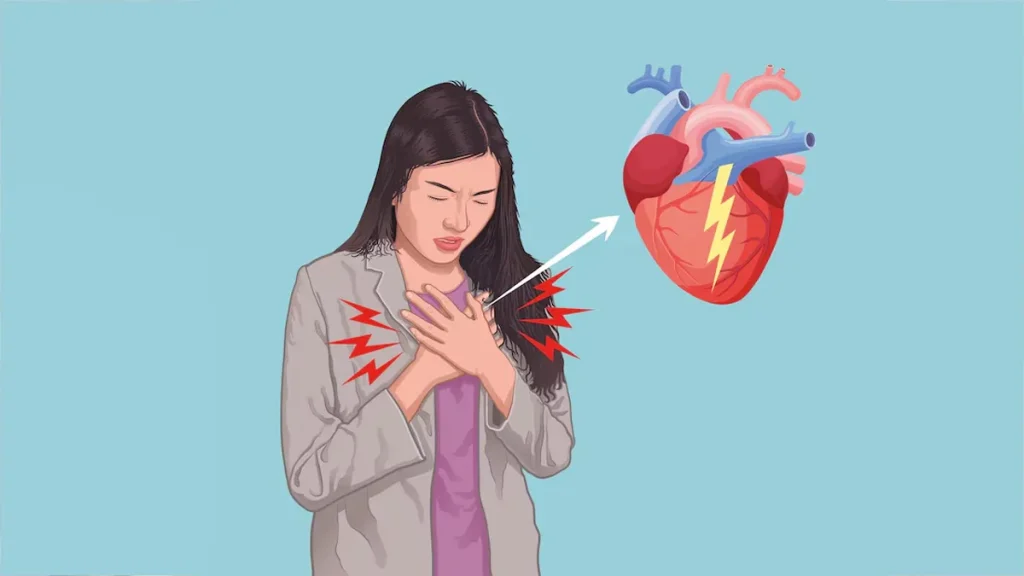
Early Warning Signs You Shouldn’t Ignore for Health
The landscape of personal health is often understood through dramatic episodes, but many of the most significant shifts begin with quiet, almost imperceptible signals. These are the early warning signs,[…]
Read more
How Your GP Can Support Your Mental Health Journey
The prevailing view often compartmentalizes health into distinct, rigidly separated domains: the physical body managed by one set of practitioners and the abstract landscape of the mind by another. This[…]
Read more
The Important Role of a GP in Preventive Health Care
The historical perception of the General Practitioner (GP) often confines their role to the reactive treatment of acute illness—the diagnosis of a cough, the prescription for an infection, or the[…]
Read more
Understanding Cholesterol Levels With Your GP
The conversation about cholesterol often begins with a simple blood test but quickly moves into a complex realm of ratios, risk stratification, and long-term cardiovascular health planning. For many patients,[…]
Read more
Mental Health Screenings During Check-Ups
The conventional annual physical examination often operates under a deeply ingrained, yet fundamentally flawed, premise: that the body and mind exist as separate, treatable entities. While meticulous attention is paid[…]
Read more