
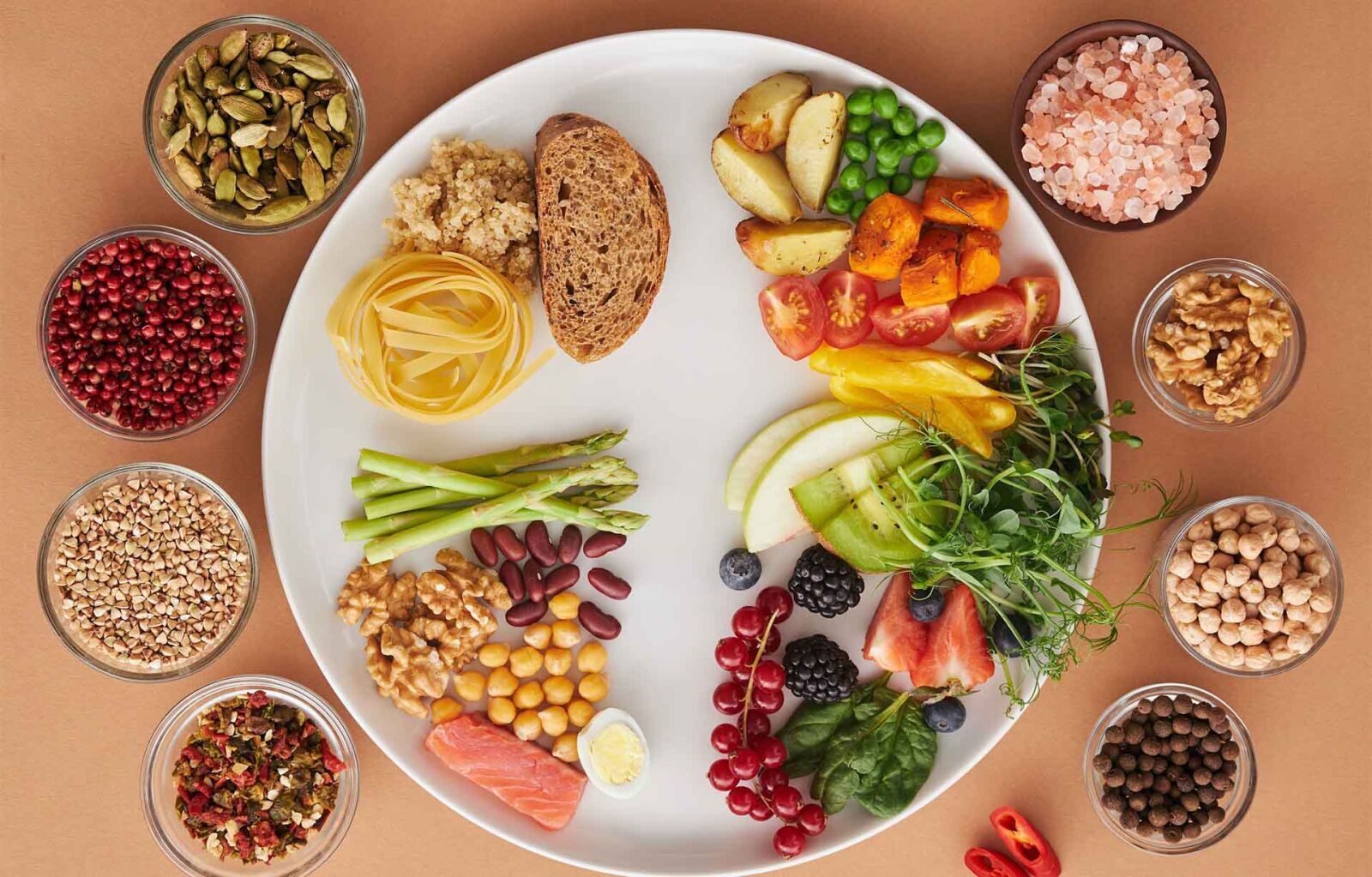
Eating habits shape daily health in ways many people overlook, and understanding this connection helps you make realistic changes that support long term wellbeing in a simple and approachable way.
Why does nutrition affect overall balance?
Many people feel tired without knowing that their diet influences energy more than they expect. According to our editor’s research, food choices shape metabolism and influence mood, focus, and immune strength. When meals lack balance, the body works harder to maintain routine functions. Digestion slows and discomfort becomes more common. You may notice headaches, irritability, or difficulty concentrating when nutrition fails to meet daily needs. Balanced nutrition supports steady energy because the body receives predictable fuel. This steady fuel helps you manage routines without unnecessary strain. Healthy eating does not require perfection but consistency that respects your body’s needs.
How does food support immune health?
People often underestimate how nutrition influences immune resilience because the effect feels invisible until illness appears. As a result of our editor’s reviews, adequate vitamins and minerals help immune cells respond quickly. When meals lack key nutrients, infections become more frequent, and recovery takes longer. Foods rich in antioxidants assist natural defense mechanisms and support faster healing. Protein also strengthens immune activity because it repairs tissues and supports antibody production. Eating a balanced diet helps your body react smoothly to daily stressors. You may feel fewer seasonal symptoms when you nourish yourself regularly. This steady protection builds a stronger foundation for long term health.
Why does nutrition influence mood and mental clarity?
Daily mood changes often relate to blood sugar patterns because the brain relies on consistent glucose supply for steady focus. According to our editor’s research, unbalanced meals cause sharp blood sugar swings that affect concentration. These swings lead to frustration, fatigue, or difficulty staying calm. When meals include fiber, protein, and healthy fats, your mood stays more stable. You may notice that you think more clearly after balanced meals. Certain nutrients also support neurotransmitter activity that regulates mood. Eating well improves your emotional rhythm and helps you respond to stress more comfortably. This connection becomes clearer when you observe how food affects your daily mindset.
How does nutrition shape digestion and comfort?
Digestion feels smoother when meals include variety because each nutrient supports different digestive functions. As a result of our editor’s reviews, fiber helps regulate bowel movements and reduces bloating. Many people notice discomfort when their meals lack fruits or vegetables. Digestive enzymes work more effectively when hydration and balanced meals support them. You may also observe that overeating causes sluggishness because your digestive system becomes overwhelmed. Eating smaller and more balanced meals helps your stomach process food more efficiently. Consistent eating habits reduce digestive stress and improve daily comfort. When digestion improves, overall well being increases significantly.
What role does nutrition play in long term organ health?
Organs function better when the body receives nutrients that support cellular repair and metabolic balance. According to our editor’s research, healthy fats help heart function and improve circulation. Minerals like potassium assist kidney performance by regulating fluid balance. Vitamins also support liver detoxification and skin health. When meals lack these nutrients, organs work harder to maintain stability. You may not notice early signs, but long term imbalance increases stress on vital systems. Balanced meals help organs maintain their natural rhythm. When this rhythm becomes steady, you feel healthier and more energetic throughout the day.
Why does hydration matter for general health?
Hydration supports every bodily function because fluids help transport nutrients and regulate temperature. As a result of our editor’s reviews, mild dehydration reduces focus and causes headaches. Many people confuse thirst with hunger, which affects meal patterns. Drinking water throughout the day helps digestion and joint comfort. You may notice that your skin appears healthier when you hydrate properly. Hydration also prevents fatigue because fluids support oxygen distribution. This simple habit strengthens overall health without requiring major effort. When you prioritize water, your body works more efficiently and comfortably.
How does nutrition influence physical strength and mobility?
Muscle activity depends on balanced nutrition because proteins, minerals, and healthy fats support tissue repair. According to our editor’s research, poor nutrition leads to weakness and slower recovery after physical activity. Strong muscles help with posture and daily movement. You may feel more stable when your diet supports muscle maintenance. Balanced meals also help bones remain strong because calcium and vitamin D improve density. When your body receives essential nutrients, movement becomes easier. This ease improves your comfort and helps you stay active. Activity then reinforces physical strength, creating a positive cycle.
Why does nutrition matter for hormonal balance?
Hormones rely on nutrients to regulate sleep, stress, metabolism, and reproductive health. As a result of our editor’s reviews, unbalanced meals disrupt hormonal cycles. Feelings of irritability or restlessness may appear when the body lacks proper nutrition. Healthy fats help hormone production and support brain function. Protein and fiber stabilize blood sugar, which influences hormone rhythm. Balanced meals reduce emotional swings and improve sleep quality. You may notice a smoother daily rhythm when your diet aligns with your body’s needs. This balance supports long term comfort and stability.
How does nutrition support aging and long term vitality?
Aging affects every system in the body, and nutrition becomes a powerful tool for preserving energy and comfort. According to our editor’s research, antioxidant rich foods help reduce cellular damage. Balanced meals also slow muscle loss and support joint mobility. You may feel stronger and more energetic when your meals include foods that protect your cells. Hydration and nutrient rich diets help maintain skin elasticity and organ function. With consistent eating habits, the aging process feels smoother and more manageable. Nutrition acts as a steady partner that supports comfort at every stage of life.
What practical steps help integrate better nutrition into daily life?
Many people struggle with consistency rather than knowledge, and small steps help build sustainable habits. As a result of our editor’s reviews, preparing simple meals improves adherence. Choosing whole foods over highly processed options increases nutrient intake. Eating slowly helps digestion and prevents overeating. Including a fruit or vegetable in every meal adds valuable nutrients. Hydrating regularly supports energy and concentration. When these habits blend naturally into your routine, healthy eating becomes effortless. You may notice positive changes within days of maintaining consistency. Over time, these changes build a strong foundation for long term health.